

Table of Contents
After acne clears, it often leaves something behind. For some people, that is a red or brown mark. For others, the skin develops an indentation, uneven texture or a raised area. These are often collectively called “acne scars”, but they are not necessarily the same thing, and knowing which you have matters because they develop differently and may need very different treatment [1,2].
This guide explains the difference between acne marks and acne scars, how to tell them apart, whether marks fade on their own, and why the distinction changes treatment. If your acne is still active, start with whether to treat acne or acne scars first.
What are Acne Marks?
Acne marks are changes in the colour of the skin without a permanent change to its underlying structure. After an inflammatory lesion settles, you may be left with a flat area that looks red, pink, brown or darker than the surrounding skin, depending on your skin and the type of inflammation involved.
There are two main types:
- Post-inflammatory hyperpigmentation (PIH) appears as a brown, grey-brown or darker patch after inflammation resolves. Inflammation stimulates extra melanin production in the affected area [3]. PIH is particularly relevant in Asian and darker skin types, where post-inflammatory pigmentation tends to be more prominent and persistent [2,3].
- Post-inflammatory erythema (PIE) is the pink or red version, thought to relate to vascular changes during healing [3].
In both cases the skin stays relatively flat. There is a noticeable colour difference, but no significant loss or overgrowth of tissue creating a dip or raised area.
What is a True Acne Scar?
A true acne scar involves a structural change within the skin following inflammation and healing. When inflammation affects the deeper layers, the normal collagen structure can be disrupted:
- A net loss of collagen during healing produces a depressed (atrophic) scar.
- Excess collagen formation produces a raised hypertrophic or keloid scar [3].
Three forms of depressed acne scars are commonly recognised [2,4]:
- Ice-pick scars: small, narrow but deep depressions. The most common type.
- Boxcar scars: broader, round or oval depressions with relatively defined edges.
- Rolling scars: wider, shallower depressions that give the skin an uneven, undulating look.
Some people have one predominant type, while others have several together, which is common enough to be the norm rather than the exception. For a full breakdown, see the 3 main types of acne scars.
A Simple Way to Tell Them Apart: Colour vs Structure
- If the area is flat but red, brown or darker than surrounding skin, it is likely a post-acne mark.
- If there is a dip, depression, raised area or noticeable change in texture, that points more towards a true structural scar.
The Dermatological Society of Singapore makes the same distinction in its acne guidelines: post-inflammatory erythema and pigmentation without structural change are classified separately from true scars, described as pseudoscars [2]. The line is not always clean, though, because pigmentation or redness can occur together with true structural scarring in the same area [3].
One clue doctors use for colour changes is that redness from vascular changes (PIE) and brown discolouration from excess melanin (PIH) behave differently and are managed differently, which is why an in-person assessment is more reliable than judging from the mirror or a photo.
Do Acne Marks Eventually Fade?
Unlike true structural scars, post-inflammatory colour changes can gradually improve over time [1,3]. But “gradually” does not mean quickly. Pigmentation can persist for months or longer, particularly in some skin types [3], and sun exposure can make it more noticeable and persistent. This is part of why sun protection matters when managing post-inflammatory pigmentation.
True scars behave differently. Because the skin’s structure has actually changed, they are much less likely to resolve on their own and generally need procedures designed to address the scar itself [1].
How to Care for Acne Marks
While marks settle, a few habits help:
- Protect your skin from the sun daily. UV exposure can darken and prolong pigmentation.
- Avoid picking or squeezing. Further inflammation can create new marks.
- Keep skincare gentle. Irritation can trigger more post-inflammatory pigmentation.
- Keep treating active breakouts. New lesions leave new marks, so controlling acne is part of managing marks. Azelaic acid, for example, may help acne and post-inflammatory pigmentation together [1].
If marks are stubborn or widespread, a doctor can recommend treatment suited to your skin type and pigment pattern.
Why the Distinction Changes the Treatment Plan
A treatment aimed at pigmentation addresses a fundamentally different problem from one aimed at remodelling a structural scar. Even among true scars, an ice-pick scar often needs a different approach from a rolling or boxcar scar. That is why Singapore acne guidelines recommend selecting treatment according to scar morphology and severity [2], and why there is no universal “best acne scar treatment”. The right approach depends on whether the concern is residual redness, pigmentation, depressed scarring, raised scarring or a combination.
When Should You Get Your Marks or Scars Assessed?
Consider an assessment if:
- marks have not faded after several months;
- you can see or feel dips, ridges or raised areas;
- pigmentation is spreading or darkening; or
- you are unsure whether you have marks, scars or both.
The Takeaway
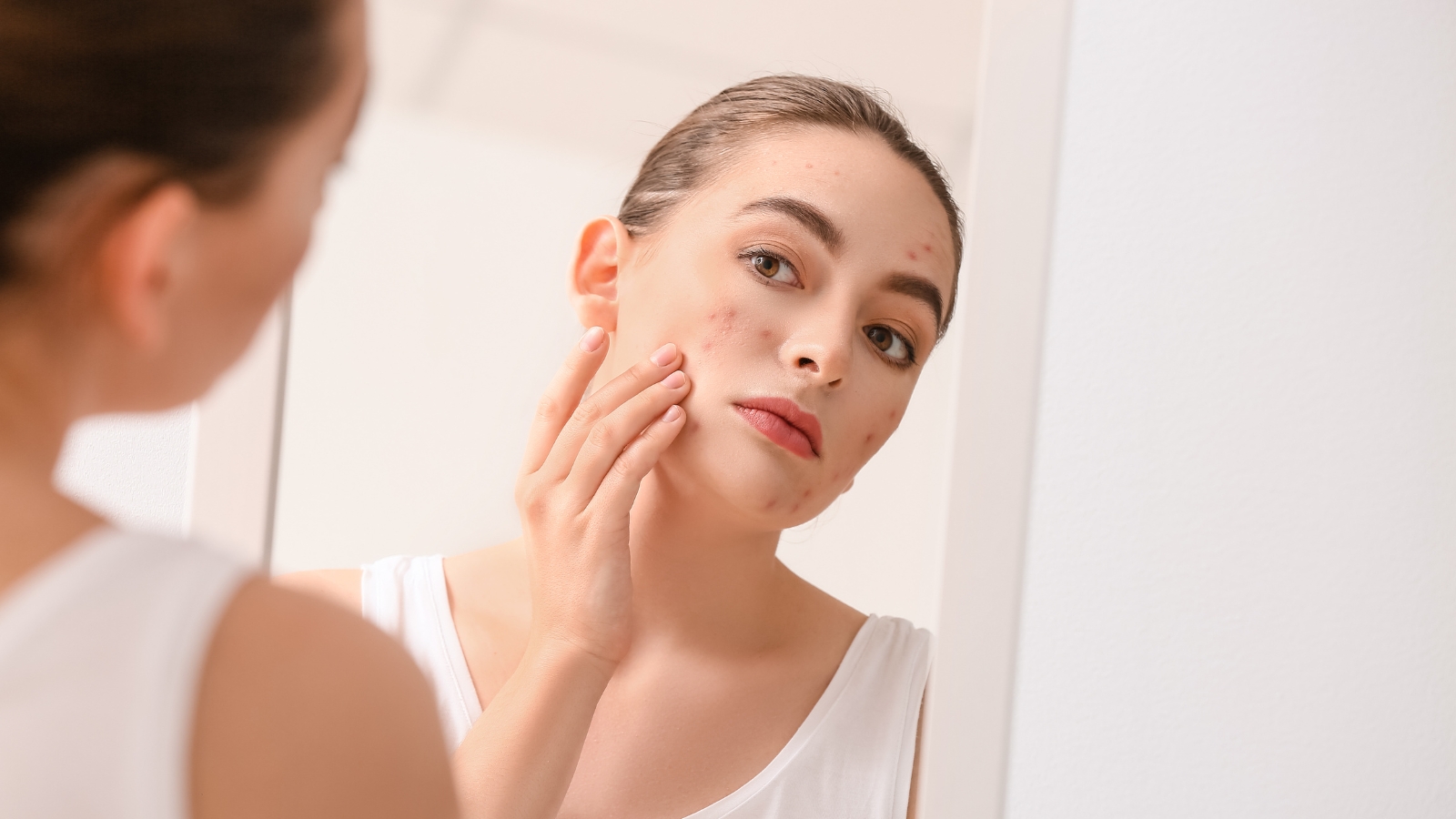
If you are looking in the mirror wondering whether the red spots, dark marks or uneven texture left by acne are “scars”, the honest answer is that not all of them are. Identifying which is which is the first real step toward treating them appropriately, rather than starting with a procedure before knowing what it is meant to fix.
Frequently Asked Questions
What is the difference between PIH and PIE?
PIH is brown or darker pigmentation caused by excess melanin; PIE is pink or red discolouration related to vascular changes [3].
How long do acne marks take to fade?
It varies. They can take months or longer, depending on skin type and sun exposure [3].
Do acne marks need laser?
Not always. The right option depends on whether the concern is redness, pigmentation or structural scarring.
Can I have both marks and scars?
Yes. They can occur together in the same area [3].
Why do acne marks last longer in some people?
Post-inflammatory pigmentation tends to be more prominent and persistent in Asian and darker skin types [2,3].
Is it a mark that will fade, or a scar that won’t? The two can look similar in the mirror but need very different approaches. A DermClear doctor can examine your skin, tell you whether you are dealing with pigmentation, redness, structural scarring or a mix, and explain which options may suit each concern, from Pigment Laser to wider Acne Scar & Pigmentation treatments. Book a consultation or WhatsApp us to find out where your skin stands.
Schedule an AppointmentReferences:
- American Academy of Dermatology Association. Acne scars: Signs and symptoms.
- Oon HH, Wong SN, Aw DCW, Cheong WK, Goh CL, Tan HH. Acne management guidelines by the Dermatological Society of Singapore. Journal of Clinical and Aesthetic Dermatology. 2019;12(7):34-50.
- Connolly D, Vu HL, Mariwalla K, Saedi N. Acne scarring–pathogenesis, evaluation, and treatment options. Journal of Clinical and Aesthetic Dermatology. 2017;10(9):12-23.
- Jacob CI, Dover JS, Kaminer MS. Acne scarring: a classification system and review of treatment options. Journal of the American Academy of Dermatology. 2001;45(1):109-117.
Start With a Consultation
Every facial rejuvenation journey starts with understanding your individual features, concerns, and desired outcome. At DermClear, Dr. Chin Yee Choong takes a personalised approach to help you achieve a naturally refreshed look.
Schedule a consultation with Dr. Chin to explore suitable options and receive a customized treatment plan crafted specifically for your face.
